1. [Rice Storage Chest]
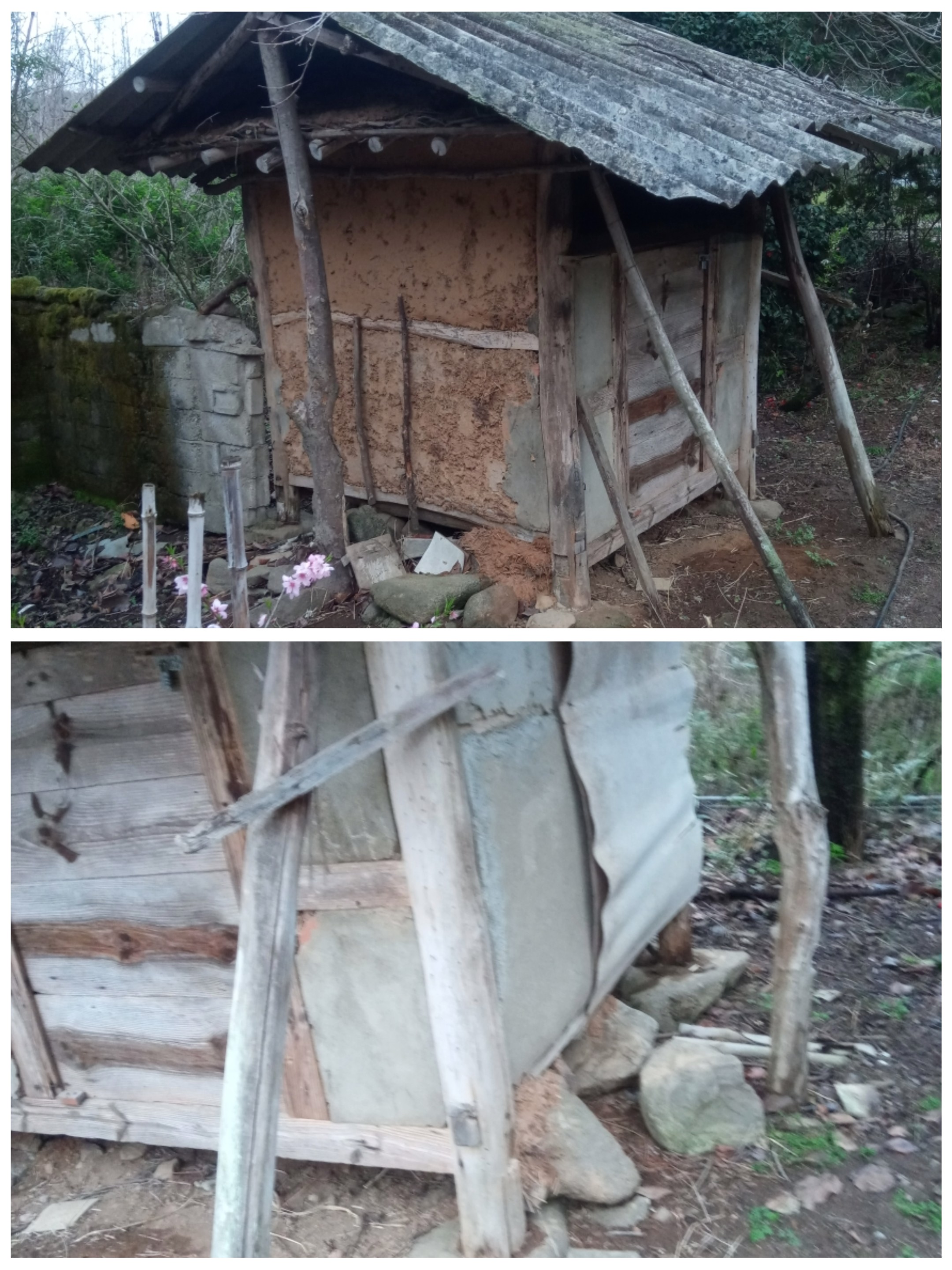
This is a place where sacks of rice were stored during the Joseon Dynasty.
Traces of my grandfather are visible everywhere. Looking closely, the foundation stones are amazing. Even though the old trees have rotted, the foundation stones do not wobble. Back then, It is said that the roof was made of rice straw.
2. [Making sticky clay]
Have you ever tried this?
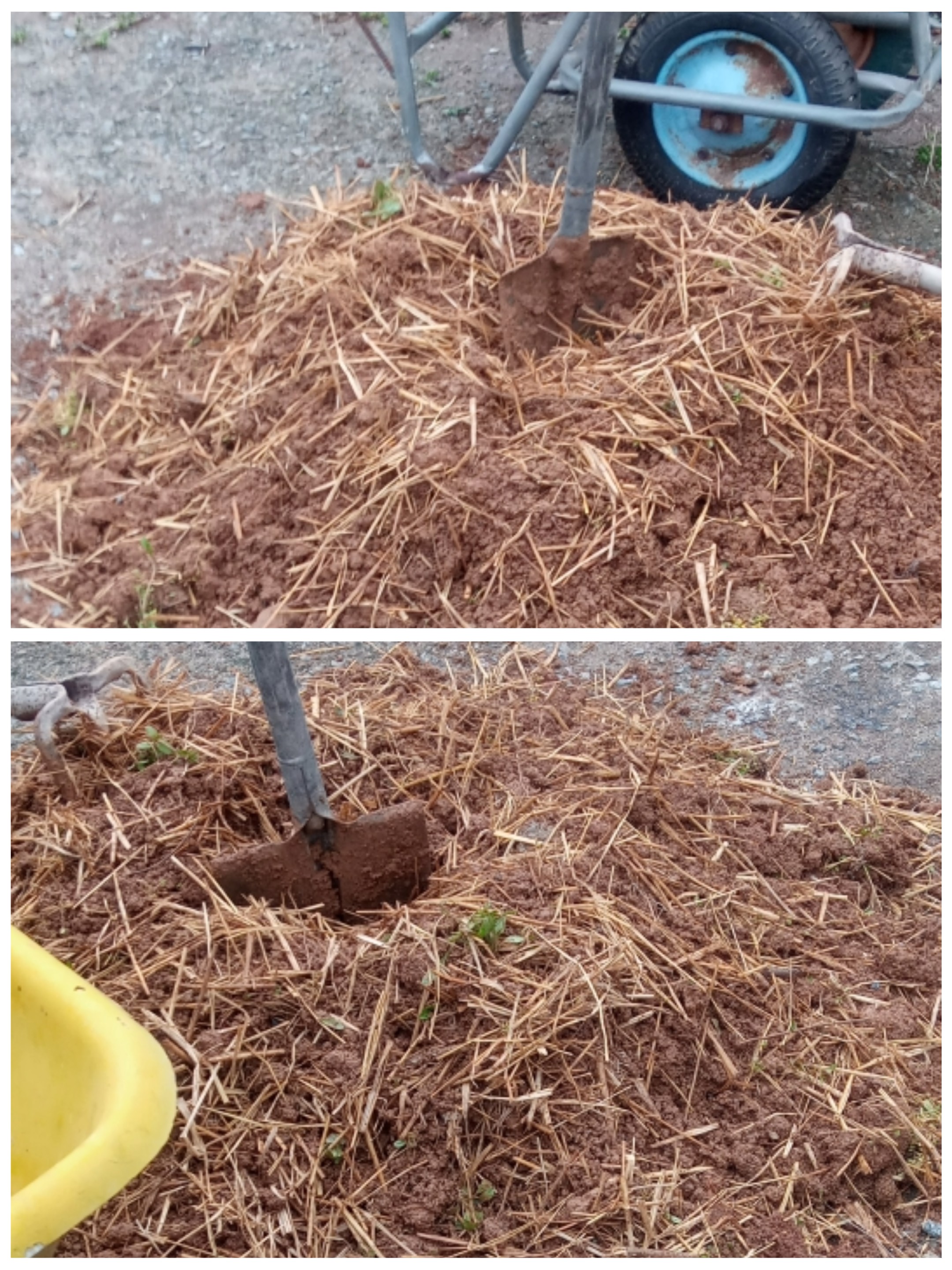
Pour water here and then step on it for about 30 minutes to an hour.
If you repeat walking in place as if giving yourself a foot massage, the clay turns into sticky, natural yellow clay that becomes the material for repairing various parts of the traditional house.
I'm so tired today, so I'm scheduled to work on it tomorrow. There appears to be a lot of rice straw, but in my experience, it becomes insufficient once water is added. The reason for adding rice straw is the wisdom of our ancestors to prevent the yellow clay from cracking and to improve its aeration.
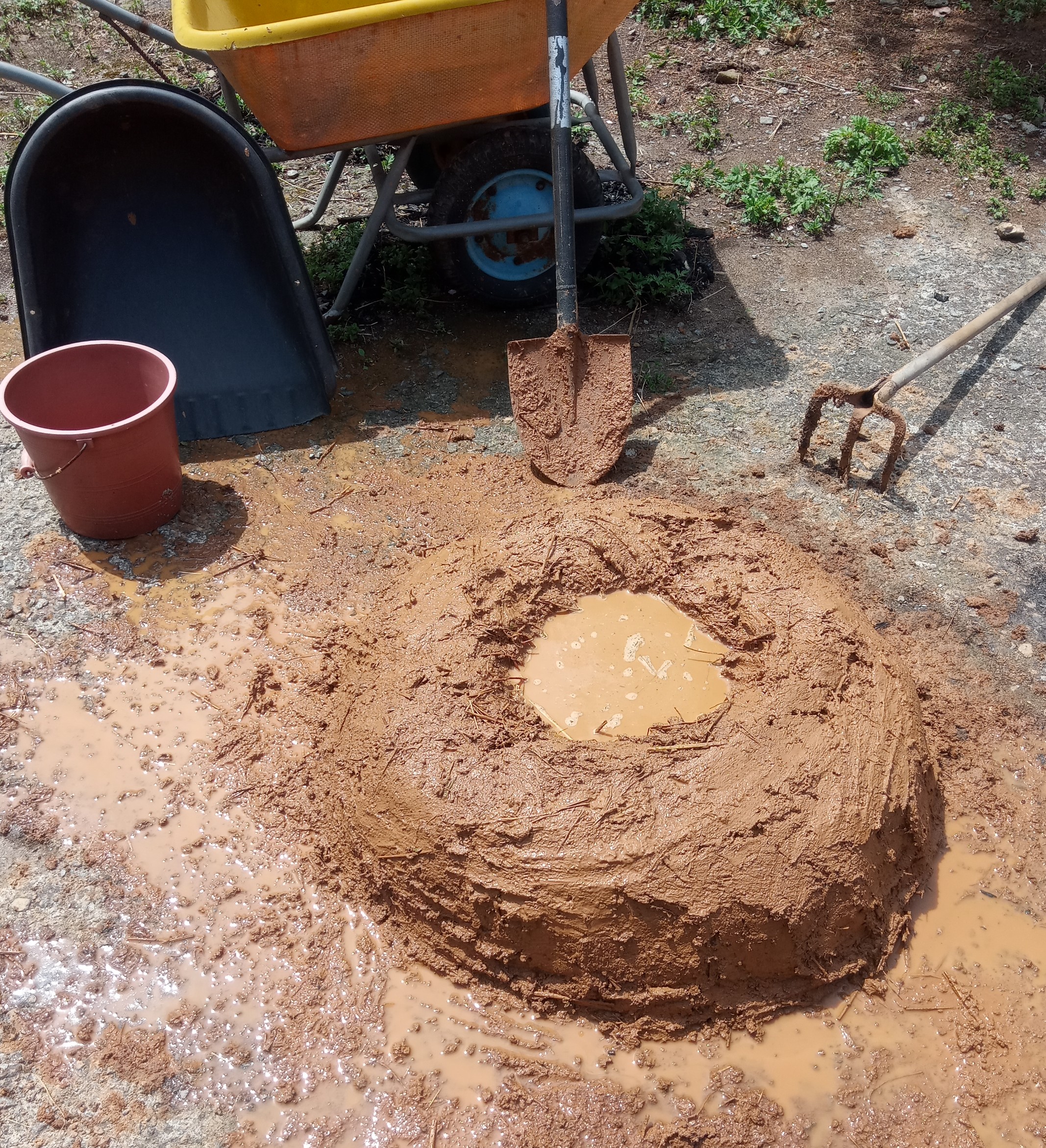
3. The traditional red clay for repairing old houses is completed like this.
As expected, there is a shortage of rice straw. The reason for filling the center with water is to prevent the red clay from drying out, and you can simply break off small amounts as needed and use.










 조회 : 424